September 5, 2025
Technology vs. Human: Why Heartfelt Listening Still Matters in an AI Age
Chatbots can check in. But they can't feel with you. Here's why real human presence still matters, especially when you're overwhelmed.
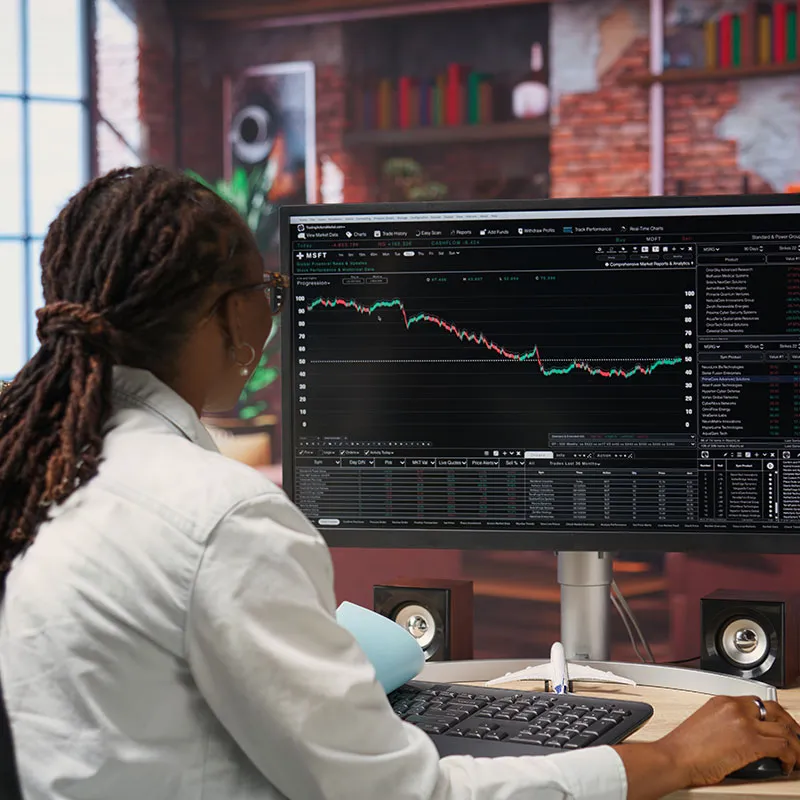
Both can hear you. Only one truly listens
Let's be honest. Most of us talk to our phones more than we talk to our friends. We ask chatbots for help sleeping. We type "I'm feeling low" into an app. We get responses that sound soothing… but somehow, still feel distant.
AI is fast. Efficient. Always available.
But when you're having one of those "I just can't do this today" days. You don't need efficiency. You need empathy.
That's where human listening still makes all the difference.
AI Has Changed How We Cope
In the last few years, AI has transformed the wellness space. Tools like Wysa, Replika, and Woebot are designed to support people with stress, anxiety, and decision fatigue. And honestly? They help.
Here's why people use them:
- They're private and free of stigma
- They're always online (even at 2 a.m.)
- They offer quick relief when you don't want to open up to anyone else
For many people, they're a first step. A safe way to test the waters of self care.
But they're still tools. Not connection.
The Difference You Can Feel
Imagine telling a chatbot, "I'm feeling lost."
It might respond: "I'm sorry you're feeling this way. Let's try a grounding exercise."
Now imagine telling a person the same thing. And hearing them say: "I hear you. That sounds heavy. I'm here, take your time."
There's a difference. And your nervous system knows it.
AI doesn't notice the crack in your voice or the pause before your words. It can't sit in silence with you. It doesn't feel the weight behind "I'm fine."
You don't always need solutions. Sometimes, you just need someone to sit with your story, and not look away.
What Heartfelt Listening Actually Feels Like
At The Feel Good Centre, we don't offer advice. We offer presence.
Our sessions are simple: One human. One hour. One space where you can show up exactly as you are.
No filters. No performance. No need to "make sense" of everything.
You talk. We listen. Deeply, patiently, and without judgment.
Because when someone truly listens, your body feels it. You soften. You exhale. You stop spiralling, and start feeling again.
The Science of Being Seen
Research shows that:
- Real human connection calms the stress centres in your brain
- Feeling heard increases oxytocin (the "trust" hormone)
- Compassionate listening builds resilience and emotional clarity
Simply put: Presence regulates the nervous system. Algorithms can't.
This Isn't Against Tech. It's For Humans.
We're not here to cancel chatbots or knock wellness apps. They're useful. We use them too.
But when you're emotionally full and mentally tangled, when what you're carrying feels too real for scripted support, there's no replacement for a real person who genuinely wants to hold space for you.
That's what we do. And that's why people keep coming back.
"Your feelings aren't a prompt. Your pain isn't a glitch. And your story deserves more than a script."
💛 Final Thought: Some Things Can't Be Automated
If you're ready for something softer, slower, and deeply real, we're here to listen.
Let's talk. Let's feel good.
Book your session Book your sessionRelated Posts

Overwhelmed by Career Pressure? Try This Mini Emotional Reset
Short on time but heavy in your mind? This 30 minute check in may be all you need.